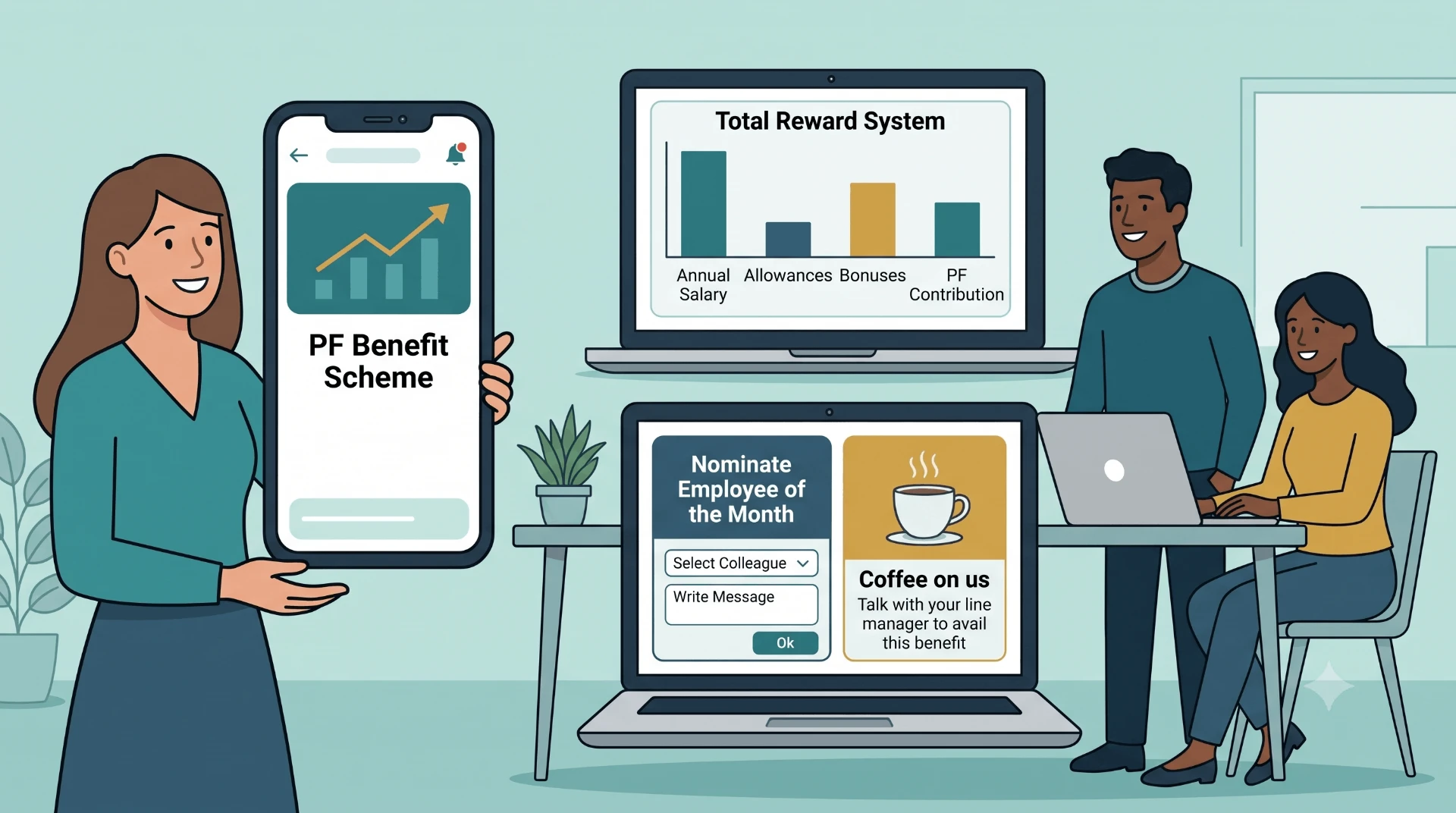
Enterprise Employee Benefits Platform
In DevelopmentProblem
The existing platform's interface had become outdated, with inconsistent UI patterns, disorganized information architecture, and a navigation flow that made core tasks harder than they needed to be for both HR administrators and employees.
Approach
Ran workshop sessions with the client to understand the existing product in depth, current workflows, pain points, and constraints tied to the existing codebase.
Outcome
Currently in development, structured across 5 epics with client sign-off and demo validation at each stage.
Role
Own the product roadmap for an existing enterprise employee benefits platform, leading a full UI and UX modernization to replace an outdated interface with a modern design while preserving the existing development base.
Target Audience
HR Administrators, Enterprise Employees
Key Skills
UX researchplatform developmentScrumusability testingproduct ownershiproadmapping
An adaptable employee benefits platform designed to drive measurable engagement across organizations of any scale. By streamlining how benefits are communicated and accessed, it delivers maximum value without the overhead, bloat, or excessive costs typical of traditional enterprise tools. The existing platform's interface had become outdated, with inconsistent UI patterns, disorganized information architecture, and a navigation flow that made core tasks harder than they needed to be for both HR administrators and employees. The client wanted a modernized experience built on top of the existing development rather than a ground-up rebuild.
Currently in development, structured across 5 epics with client sign-off and demo validation at each stage. Not yet released.